Mouse Glue Trap vs Snap Trap: What a Distributor Should Stock
A practical comparison of glue boards and snap traps for importers and distributors: cost per catch, where each fails, and how to split a container between the two.

TL;DR
- Glue boards win on cost per catch and on hygiene — no blood, no snapped fingers, no re-baiting.
- Snap traps win in wet, dusty or freezing sites where adhesive loses tack.
- Most of our distributors carry both and split a container roughly 70 / 30 in favour of glue boards.
- If you can only stock one line, stock the 205 g board. It handles house mice and young rats and it is the format that moves fastest at retail.
Why the comparison matters
Walk into any pest control wholesaler in Lagos, Jeddah or Manzanillo and you will see both products on the shelf. The buyer behind the counter does not care which is technically superior; they care which one the technician comes back for. That answer changes with climate, with the building, and with who is doing the work.
Cost per catch, not cost per unit
A snap trap looks cheaper on the invoice because it is reusable. In practice, a snap trap in a food warehouse is used once and thrown away — nobody wants to reset a trap that has killed a rat in a flour store. A glue board is single-use by design and priced accordingly.
From a manufacturing perspective, the cost driver is adhesive weight. Our 180 g board and our 230 g board use the same cardboard and the same print process; almost the entire price difference is glue. That is why a distributor who over-specifies — buying 230 g boards for house mice in an office block — is paying for adhesive the job does not need.
Where glue boards fail
Three situations, and it is worth being honest about all three:
- Wet floors. Water destroys the adhesive surface. In fish markets, abattoirs and open drains, a glue board is the wrong tool unless it sits inside a plastic station.
- Heavy dust. A board left in a cement store for a week collects a dust layer that acts as a release film. Clean the strip of floor first, or use a tunnel configuration.
- Cold rooms below 5 °C. Adhesive stiffens. Holding power drops noticeably. Our 230 g board performs better here than a thin board, but a snap trap is still the more reliable choice in a freezer.
Where snap traps fail
- They need bait, and bait attracts other pests in a clean facility.
- They injure fingers. In markets where labour protection rules are enforced, that is a liability question, not a comfort question.
- They leave blood and sometimes a partial carcass. In food production this is a documented audit finding.
The container split
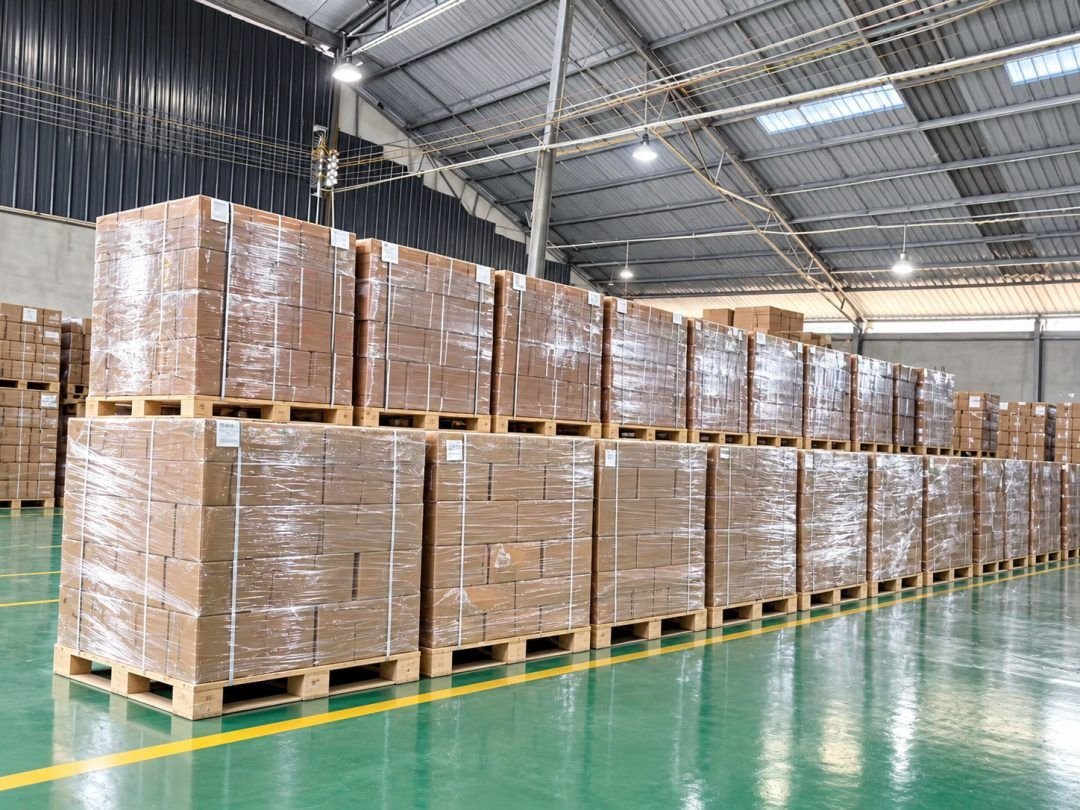
A 20-foot container of glue boards, packed 50 pieces per carton at 41.5 × 29 × 28 cm, is a large commitment for a first order. Our advice to a new distributor is to start with a mixed pallet: two or three board weights, 3,000 pieces each, and let the sell-through data decide the second order.
If your market is retail-facing, weight the order toward the 205 g board with a bright shelf print. If your market is municipal or contract pest control, weight it toward the 220 g and 230 g boards and expect repeat orders in fixed cycles.
What to ask a supplier before you commit
Ask for the actual board weight, not the carton weight — the difference between 180 g and 230 g is invisible in a photo and obvious in a complaint. Ask for the carton dimensions in centimetres so you can calculate CBM before you calculate freight. And ask for a sample from the current production batch, not a hand-made sample, because a hand-made sample tells you nothing about what the line actually produces on a Tuesday afternoon.