Mouse Glue Board Factory: B2B Buying Guide for Importers
Source mouse glue boards direct from a Chinese factory: board weights, carton specs, MOQ, OEM rules, shelf life and the trade-offs to check before you order.

TL;DR
If you are sourcing mouse glue boards from China, the specification sheet matters more than the sales pitch. Three things decide whether a container arrives sellable:
- Board weight is the first thing to fix. Our standard board is 258 x 191 mm, and we run it in 180 g, 205 g, 210 g, 220 g and 230 g board weights. Lighter boards cost less per piece but feel thin in the hand, which some markets punish at retail.
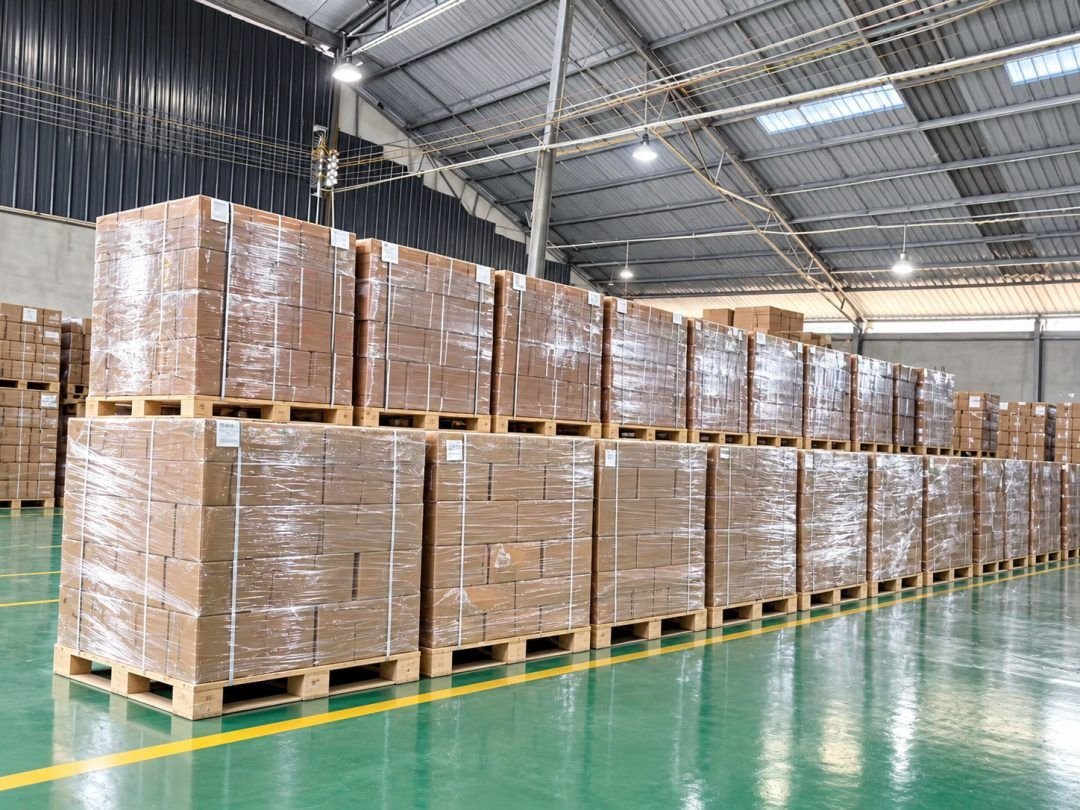
- Packing drives your landed cost. 50 pcs per carton (41.5 x 29 x 28 cm) or 100 pcs per carton (52.5 x 40.5 x 27.7 cm). The 100-piece carton is usually cheaper per unit to ship but heavier to handle in a warehouse.
- Private label starts at 3,000 pcs per style, and we accept trial mixed orders so you can test two or three SKUs before committing to a full run.
Glue traps are not the right product for damp floors, or for households where pets and small children can reach them. Plan your packaging warnings around that.
Background: why buyers keep asking for a factory, not a trader
Mouse glue boards look simple. A cardboard tray, a layer of pressure-sensitive adhesive, a folded edge so the board can be set up as a tunnel or a flat sheet. In practice, the difference between a board that catches a mouse in a warehouse and one that curls up on a damp floor in a tropical shop is mostly board weight, adhesive coat weight and how the carton was stored before it shipped.
The product sits in a crowded category. Southeast Asian importers typically compare us against Vietnamese and Malaysian converters; Middle East buyers often compare against Turkish supply; African distributors usually compare against whoever is cheapest that month. Our position, as a factory founded in Chengdu in 2006 with a branch plant in Kunming since 2008 and a Yiwu branch and showroom since 2020, is that we can quote across eight product lines and five board weights without going through a middleman's markup.
We export to more than 50 countries, mostly in Southeast Asia, Central Asia, South America, the Middle East and Africa. That is not a claim about being the biggest. It is context for why the specification sheet below is written the way it is — it reflects what buyers in those markets actually argue about.
Core definition: what a mouse glue board factory actually supplies
A mouse glue board factory converts board stock into a finished, packed, barcoded retail or institutional item. The conversion steps are: board cutting and creasing, adhesive mixing and coating, attractant addition, folding, and carton packing. A factory that only coats adhesive onto flat sheets is a coater, not a finished-goods supplier.
What you should be able to confirm from any supplier before you place a deposit:
- Board size and weight. Ours: 258 x 191 mm (10.16 x 7.52 in) at 180/205/210/220/230 g.
- Adhesive type. Ours is a solvent-free pressure-sensitive glue, non-toxic to humans and pets when used as directed, with a food-grade attractant blended in.
- Packing format. 50 pcs or 100 pcs per carton, with stated carton dimensions.
- Shelf life. More than 5 years in the original sealed carton, away from direct sunlight.
- MOQ and OEM terms. Ours is 3,000 pcs per style for private label.
- Documents. CHTC quality management system certificate (ISO 9001), MSDS, MA/CMA third-party test reports, business licence, certificate of origin.
If a supplier cannot give you board weight in grams and carton dimensions in centimetres, you are talking to a trader who is guessing.
Deep dive 1: board weight, adhesive and the trade-offs you cannot see in a photo
Board weight is the number buyers fixate on, and for good reason. A 180 g board is a light-duty item. It works for indoor retail packs sold at a low price point, and it is what many discount chains ask for. A 230 g board holds its shape better when set up as a tunnel, resists curling at the edges, and generally survives a humid warehouse with less deformation.
The trade-off is honest: heavier board costs more per piece and weighs more per carton, so your freight per unit goes up. There is no free lunch here. In most cases the right answer is to match the board to the channel — 180–205 g for price-driven retail, 210–230 g for professional pest control distributors, food-processing plants and institutional buyers who care about the board staying flat on a concrete floor.
Adhesive is the second variable. Our glue is solvent-free and pressure-sensitive. Solvent-free matters for air freight and for markets with strict VOC rules on consumer goods. Pressure-sensitive means the board stays tacky without a release paper over the whole surface in most of our formats, which keeps the retail price down.
What we will not claim: that a glue board is a permanent solution to an infestation. It is a monitoring and catch tool. In premises with a serious rodent population, glue boards are typically used alongside baiting, exclusion work and sanitation, not instead of them.
The attractant is food-grade. That is a benefit for effectiveness and a caution for storage: cartons should stay sealed and away from direct sunlight, and you should not store them next to strong-smelling goods. Shelf life is more than 5 years in the original sealed carton, but that assumes the carton is intact. A pallet that sat in the sun for a month is a different product.
Deep dive 2: carton configuration, MOQ and how private label really works
Packing is where a lot of first-time importers lose money. Two options:
- 50 pcs per carton, carton 41.5 x 29 x 28 cm. Easier to handle, better for mixed pallets, and more forgiving if your warehouse team is manual.
- 100 pcs per carton, carton 52.5 x 40.5 x 27.7 cm. Fewer cartons to count, usually a lower unit freight cost on full containers, but each carton is heavier and less pleasant to move by hand.
We do not publish a per-carton weight in this article because it changes with board weight — ask for the exact figure against the board weight you choose and we will put it in the quotation.
On private label: MOQ is 3,000 pcs per style. That is per style, not per order, which matters if you want to launch a small range. We accept trial mixed orders, so a buyer can test, say, a 205 g retail pack and a 230 g professional pack in one shipment before committing to volume.
What OEM covers in practice: your brand name and artwork on the board and carton, your barcode, your language and your warning text. What it does not cover: us printing a certification logo you have not verified, or us inventing a test report. We supply the documents we hold — CHTC ISO 9001, MSDS, MA/CMA third-party reports, business licence, certificate of origin — and you confirm they satisfy your market's rules.
If you are new to private label in this category, our OEM/ODM process page sets out the artwork and approval steps. For buyers comparing this product against our other adhesive lines, the product range shows how glue traps sit alongside instant adhesives, epoxy AB adhesives, silicone sealants and fly paper — useful if you want to consolidate a mixed container.
Deep dive 3: quality control, documents and the limits of a glue trap
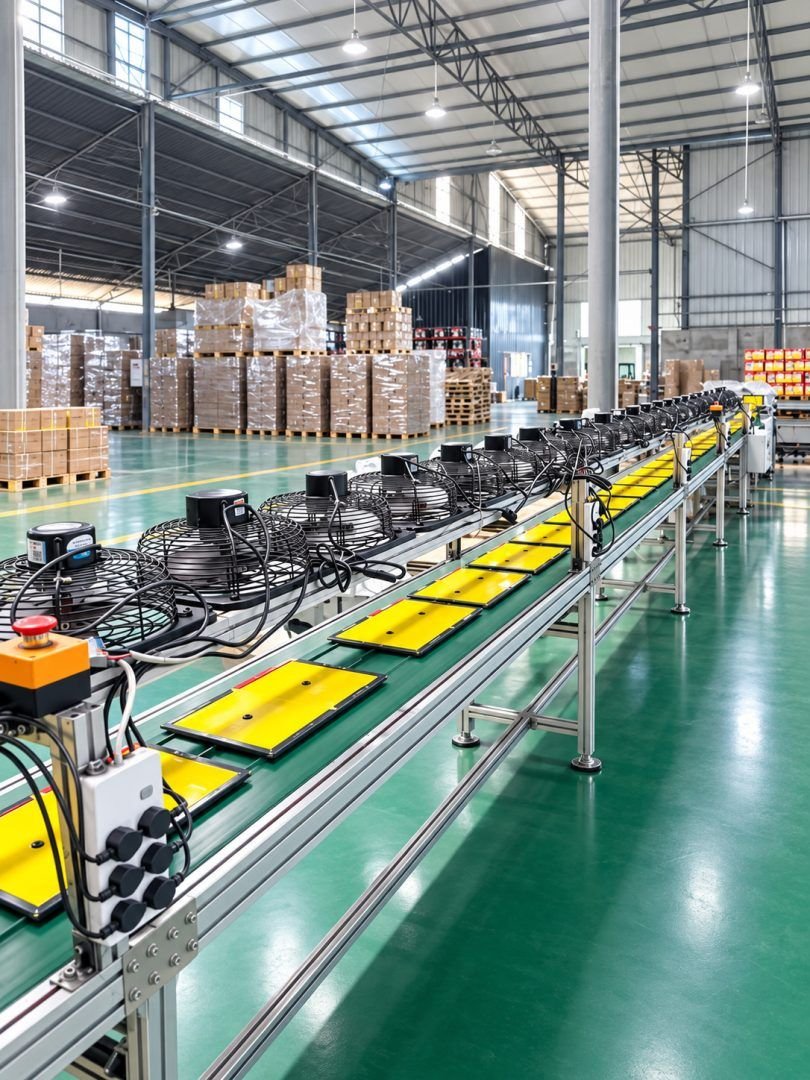
Quality control on a glue board is unglamorous. Board weight consistency, adhesive coat weight, crease line accuracy, attractant uniformity, and carton print registration. A factory running 30+ units of production equipment across its lines can hold those tolerances; a small workshop often cannot, which is why sample-to-bulk variance is the most common complaint in this category.
Documents matter more than most buyers expect. For entry into many markets you will be asked for an MSDS, and sometimes a third-party test report. We hold MSDS and MA/CMA third-party test reports, plus the CHTC quality management system certificate (ISO 9001), business licence and certificate of origin. HS code 3506.91 is the reference heading for adhesives — treat that as a starting point only and confirm classification with your own customs broker, because national tariff schedules differ.
Now the limitations, stated plainly:
- Damp floors. Glue boards are not suitable for wet or damp surfaces. The board softens, the adhesive performance drops, and the product fails in a way that generates returns.
- Pets and children. The adhesive is non-toxic to humans and pets when used as directed, but a board is still a sticky trap. It should be placed out of reach, and packaging should carry clear warnings. Some markets require specific warning language — check yours.
- Non-target catch. Glue boards do not discriminate. In sensitive environments, that is a real objection and you should expect it from professional buyers.
- Not a cure. As above, it is a catch and monitoring tool.
A factory that will not say these things to you is either inexperienced or selling you a story. We would rather you knew before you ordered 200 cartons.
FAQ
What is the standard size and board weight of your mouse glue boards?
Standard board size is 258 x 191 mm (10.16 x 7.52 in). We produce it in 180 g, 205 g, 210 g, 220 g and 230 g board weights. Lighter boards suit price-driven retail; heavier boards hold shape better in humid conditions and for professional users.
What is the MOQ for private label, and can I mix styles?
MOQ is 3,000 pcs per style for OEM/private label. Trial mixed orders are accepted, so you can combine two or three styles or board weights in one trial shipment before committing to a full production run.
How is the product packed, and what are the carton dimensions?
Two options: 50 pcs per carton in a 41.5 x 29 x 28 cm carton, or 100 pcs per carton in a 52.5 x 40.5 x 27.7 cm carton. The 100-piece carton is usually cheaper per unit on freight but heavier to handle manually.
What is the shelf life and how should I store it?
More than 5 years in the original sealed carton, away from direct sunlight. Keep cartons sealed, avoid damp storage, and do not store next to strong-smelling goods, since the board contains a food-grade attractant.
Which documents can you provide for customs and market entry?
We provide CHTC quality management system certificate (ISO 9001), MSDS, MA/CMA third-party test reports, business licence and certificate of origin. HS code 3506.91 is a reference for adhesives only — confirm the final classification with your customs broker.
Buying recommendation
Match the board to the channel, not to the cheapest quote. For discount retail and emerging-market price points, 180–205 g in 50-piece cartons is a sensible starting point. For pest control distributors, food plants and institutional tenders, specify 220–230 g and expect to pay more per piece. Order a mixed trial first — two board weights, one carton each — and test in your own climate before you commit to a container. Check that the supplier quotes board weight in grams and carton dimensions in centimetres without prompting.
Conclusion
A mouse glue board is a low-tech product made well or badly. The specification sheet — 258 x 191 mm, five board weights, two carton formats, 3,000 pcs MOQ per style, 5+ year shelf life — tells you most of what you need. The rest is honesty about where the product should not be used. We have been making adhesives in Chengdu since 2006 and exporting to more than 50 countries; that history is useful, but it does not replace a sample in your hand.
CTA
Send us your target board weight, carton preference and artwork deadline, and we will quote against the 258 x 191 mm spec with the documents you need. Ask for a mixed trial order if you are still comparing suppliers — we would rather start small and get the repeat order. Start with the product range or go straight to OEM/ODM if you already have artwork.