Custom Logo Mouse Glue Trap: B2B Buyer's Guide
How to order a custom logo mouse glue trap from a Chinese factory: board weights, carton options, MOQ, artwork limits and honest trade-offs. Read the buyer's guide.
TL;DR
- A custom logo mouse glue trap is a standard 258 x 191 mm glue board where your brand goes on the board, the inner film, the carton or all three. The glue itself does not change.
- Expect a 3,000 pc per style MOQ for OEM/private label, packed 50 or 100 pcs per carton. Board weight is the main lever you control, from 180 g to 230 g.
- Glue traps work best on dry, flat, indoor surfaces. They are a poor fit for damp floors, dusty yards, or any building with free-roaming pets and small children. Plan your market positioning around that.
Background: why buyers ask for their own logo
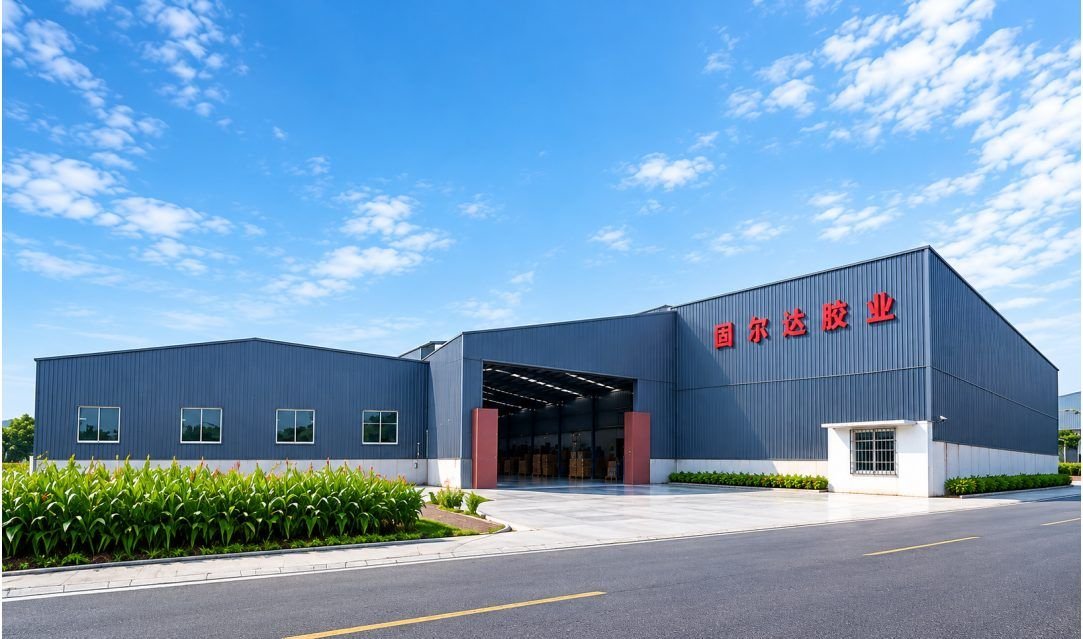
We have made glue traps in Chengdu since 2006, and the pattern of inquiries has been fairly stable. A distributor in Southeast Asia or the Middle East finds a market for pest control consumables, tests a mixed container, then asks about printing their own brand. That last step is where most of the real questions appear.
A plain trap competes on price alone. A branded trap competes on shelf presence and on the buyer's own reputation. For a hardware chain, a supermarket house brand, or a regional pest control supplier, the logo is what turns a commodity into a listed SKU. It also creates obligations: consistent board weight, consistent glue coat, and packaging that survives the container.
One thing worth stating early. Private label is not the same as product development. If you need a different board size or a different glue formulation, that is a separate conversation with tooling and longer lead times. A custom logo mouse glue trap is a printing and packaging project layered on top of an existing product.
Core definition: what "custom logo" actually covers
In practice, a custom logo mouse glue trap means the buyer supplies artwork, and the factory applies it in one or more of these places:
- The board surface. Printed on the cardboard itself, usually in one or two colours, in an area that does not interfere with the glue field.
- The release film or cover sheet. Often the most visible surface in retail, because the trap is usually sold folded with the film facing out.
- The folding sleeve or printed carton. Full-colour printing is normally done here rather than on the board.
- The inner instruction sheet or header card. Where regulatory text, warnings and language variants live.
What it does not cover, in most cases, is the physical specification. The standard board is 258 x 191 mm (10.16 x 7.52 in). Board weight options are 180 g, 205 g, 210 g, 220 g and 230 g. The adhesive is a solvent-free pressure-sensitive glue with a food-grade attractant, non-toxic to humans and pets when used as directed.
Be realistic about board printing. Cardboard is porous and slightly absorbent, so fine gradients and photographic images print poorly. Flat spot colours and bold line art are what work. If your brand relies on a complex visual, put it on the sleeve.
Deep dive 1: board weight, glue and what your logo sits on
Board weight is the specification buyers ask about least and should ask about most. A 180 g board feels light. A 230 g board feels like a proper piece of kit. Both hold glue. The difference shows up when the trap is folded, stacked, shipped, or handled by a shopper who picks it up and puts it back.
A heavier board resists curling when the glue is applied and stays flatter on the floor. Flatter means better contact. It also survives humid warehousing better, which matters if your market is coastal or your distributor stores stock in a non-air-conditioned space.
Two practical notes on printing over glue. First, the printed area must be kept clear of the glue field, so artwork is usually confined to a border strip or a header zone. Second, the glue is pressure-sensitive and stays tacky for the product's whole life. That means no printing process that requires heat or solvent near the adhesive zone. Our line uses solvent-free pressure-sensitive adhesive for exactly this reason.
Shelf life, in original sealed carton away from direct sunlight, is more than 5 years. That is a long window, but it assumes the carton stays closed and dry. If your distributor opens cartons to display loose traps on a sunny shelf, the clock runs faster.
If you want to compare board weights against our standard range, the specifications are listed on the mouse glue trap product page.
Deep dive 2: MOQ, packing and the cost of a private label run
MOQ for OEM/private label is 3,000 pcs per style. A style means one artwork set, one board weight and one packing configuration. If you want the same logo on a 205 g board and a 230 g board, that is normally two styles.
Packing options are straightforward:
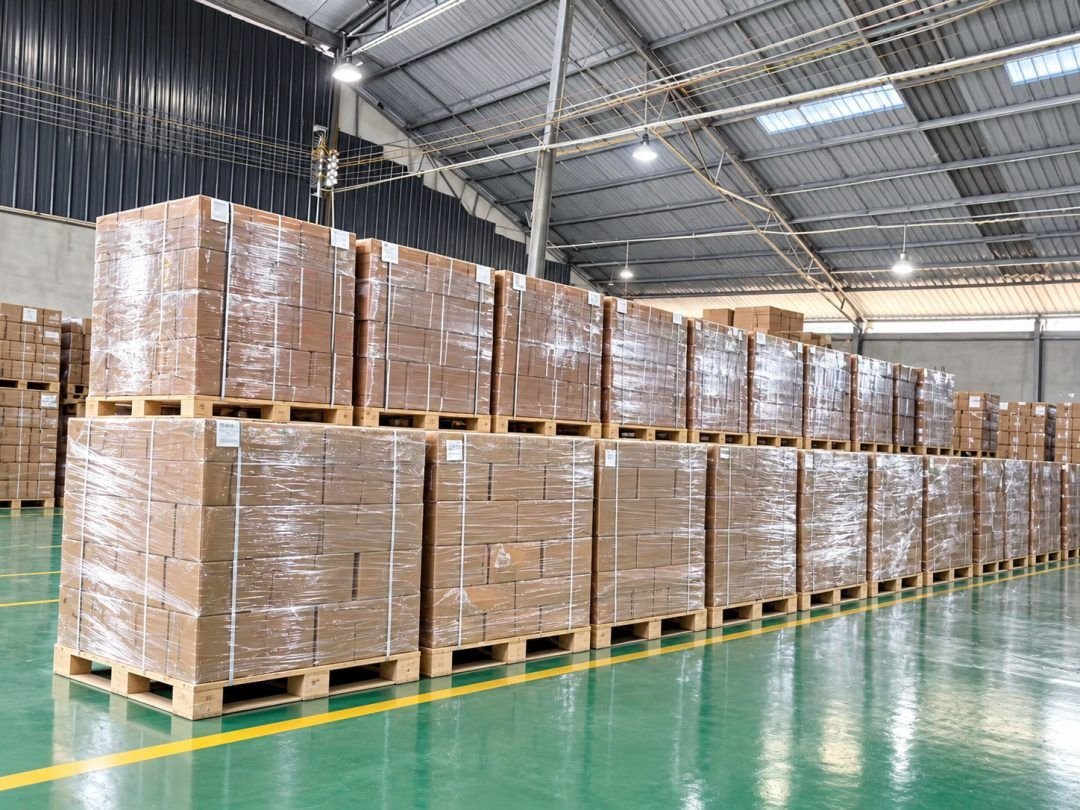
- 50 pcs per carton, carton dimensions 41.5 x 29 x 28 cm.
- 100 pcs per carton, carton dimensions 52.5 x 40.5 x 27.7 cm.
The 50-piece carton is easier to handle and better for distributors who break bulk. The 100-piece carton uses container space more efficiently and suits buyers moving full pallets to a single DC. There is no universal right answer; it depends on your downstream order sizes.
Where buyers get surprised is in the setup. Printing plates, film separations and a short press check are one-time costs that do not shrink because your order is small. At 3,000 pcs those costs are spread thin. At 30,000 pcs they nearly vanish per unit. This is why a trial mixed order makes sense: you can combine several styles in one production run to test the market without committing a full container to a single SKU.
We do accept trial mixed orders. Ask for the current mixed-order terms before you finalise artwork, because the number of styles per run affects scheduling.
Deep dive 3: artwork, compliance and the honest limitations
Artwork that survives the factory
Send vector files. Supply spot colours as Pantone references rather than RGB values. Allow a bleed and keep critical text inside the safe area, because board cutting has normal tolerance. Approve a physical or photographic proof before mass production. This step is not bureaucracy; it is the cheapest point to catch a reversed logo or a missing language.
Compliance paperwork
We can supply the CHTC quality management system certificate (ISO 9001), MSDS, MA/CMA third-party test reports, business licence and certificate of origin. For adhesive products the HS code is commonly referenced as 3506.91. Treat that as a reference only and confirm the classification with your own customs broker, since duty treatment varies by country and by how the goods are declared.
Where glue traps are the wrong product
This is the part most suppliers skip.
- Damp floors. Wet or humid surfaces degrade adhesion. Glue traps belong on dry, indoor flooring.
- Dusty or sandy environments. Dust coats the glue and it stops working. Outdoor or semi-outdoor use is a poor fit.
- Households with pets or small children. The glue is non-toxic when used as directed, but a stuck animal or a stuck child is still a bad outcome. Traps must be placed where they cannot be reached.
- Cold rooms and freezers. Adhesion drops as temperature falls. Check with us before specifying for cold storage.
- High-traffic walkways. A trap in a footpath gets stepped on, and then it is waste.
If your market needs a trap for wet or dusty conditions, say so at the inquiry stage. Sometimes a different product in the range, such as fly paper for a different pest problem, is the better conversation. Our OEM/ODM service page explains how custom projects are scoped.
FAQ
How many pieces do I need to order for a custom logo mouse glue trap?
The MOQ is 3,000 pcs per style for OEM/private label. A style is one artwork set combined with one board weight and one packing configuration. If you change board weight or carton count, that is usually counted as a separate style. Trial mixed orders are accepted, which lets a buyer test two or three designs in one run instead of committing everything to a single SKU.
Can the logo be printed on the glue surface itself?
No. The glue field must stay clear, so artwork goes on the board border, the release film, the sleeve or the inner sheet. Board printing is best with flat spot colours and bold line art, because cardboard is absorbent and fine gradients reproduce poorly. If your brand mark is detailed, put it on the printed sleeve where full-colour printing is practical.
Which board weight should I choose for my market?
It depends on how the product is sold and stored. A 180 g board suits economy lines and short shelf exposure. A 220 g or 230 g board holds its shape better when folded, stacked and handled, and tolerates humid warehousing with less curling. Heavier boards cost more per unit, so match the weight to your retail price point rather than defaulting to the thickest option.
What is the shelf life, and what shortens it?
More than 5 years in the original sealed carton, kept away from direct sunlight. In practice the enemies are sunlight, heat, dust and moisture. Once a carton is opened and traps sit on a sunny retail shelf, performance declines faster than the stated figure. Tell your distributors to store stock closed and dry, and avoid display positions near windows.
Do you provide certificates and test reports for customs?
We can provide the CHTC quality management system certificate (ISO 9001), MSDS, MA/CMA third-party test reports, business licence and certificate of origin. The HS code is commonly referenced as 3506.91, but you should confirm the correct classification and duty rate with your own broker. Documentation requirements differ by destination, and we would rather you verify than assume.
Buying recommendation
Start with a trial mixed order rather than a full container of one design. Pick two board weights, for example 205 g for an economy line and 230 g for a premium line, and one carton configuration that matches how your distributors actually break bulk. Run the artwork past your own regulatory contact before you approve the proof, especially if you sell into a market that requires local-language warnings.
Then judge on three things after the first shipment: how flat the traps arrive, how the print holds up on the shelf, and how the carton survives your warehouse. Those three data points tell you more than any sample photo.
If your volumes are small, consider a stock product with your label on the carton first. It is a lower-risk way to test demand before you pay for board printing.
Conclusion
A custom logo mouse glue trap is a printing and packaging decision wrapped around a fixed physical product: 258 x 191 mm board, 180 g to 230 g board weights, solvent-free pressure-sensitive adhesive with a food-grade attractant, 50 or 100 pcs per carton, more than 5 years shelf life in a sealed carton. The MOQ is 3,000 pcs per style, and the real cost driver is setup, not unit price.
Be clear-eyed about the limits. Glue traps are an indoor, dry-surface tool. They do not belong on damp floors, in dusty yards, or anywhere a pet or a toddler can reach them. Buyers who understand that and position the product accordingly tend to build steadier repeat business than those who promise it will solve every rodent problem.
CTA
Send us your artwork and the market you are selling into. We will come back with the board weight options that fit your price point, the packing configuration, and the current mixed-order terms. If you are still comparing formats, browse the full range on our products page or read how private label projects are handled on the OEM/ODM page. We have been making adhesives in Chengdu since 2006 and exporting to more than 50 countries, and we would rather quote you accurately than quote you fast.