How to Choose a Mouse Glue Trap Supplier in China: Seven Checks
Seven things to verify before you pay a deposit to a Chinese glue trap supplier — from board weight and carton CBM to whether the factory actually coats its own adhesive.

TL;DR
- Verify board weight, not carton weight. The gap between 180 g and 230 g is where margins are hidden.
- Ask whether the supplier coats its own adhesive. A trader cannot control tack, and tack is the whole product.
- Get carton dimensions in centimetres and calculate CBM yourself before you compare FOB prices.
- Insist on a sample from a current production batch, and photograph the cargo before loading.
1. Board weight versus carton weight
Two suppliers quote the same price per carton. One is packing 50 boards at 205 g, the other 50 boards at 180 g. On the invoice they look identical. On the shop floor the second one generates complaints after the first cold snap.
Ask for the board weight in grams, then ask for the total carton weight, then do the arithmetic. If the numbers do not reconcile, you have found your answer.
2. Does the supplier make the adhesive?
This is the single most useful question, and it is easy to test. Ask what the adhesive viscosity is and how they control it batch to batch. A factory that cooks its own glue will answer in seconds. A trader will forward the question to someone else.
Why it matters: tack is not a fixed property of a product, it is a property of a production run. A factory that coats its own adhesive can adjust the formulation for a hot route or a cold store. A trader can only choose from what someone else has already made.
3. Carton dimensions and CBM
Ask for the carton size in centimetres and the number of cartons per pallet. Then calculate the CBM of your order yourself. A carton that is two centimetres deeper sounds trivial until you discover it costs you eight percent more ocean freight.
Our own figures, for reference: 50 pcs per carton at 41.5 × 29 × 28 cm, or 100 pcs at 52.5 × 40.5 × 27.7 cm.
4. Sample from a real batch
A hand-made sample is a marketing artefact. Ask for a board pulled from a current production carton, with the batch code visible, and ask when it was produced. Then test it yourself: fold it, peel the release film, press a weight on it.
5. The document set
Before you pay a deposit, ask which of these the supplier can produce within a week: MSDS, third-party test report from an accredited laboratory, business licence, certificate of origin. If the answer is "we will arrange it after the order", you are looking at a delay at destination, not at a document problem.
6. What happens when a batch fails
Every factory ships a bad batch eventually. The question is what the contract says. Ask for the remedy in writing: replacement, credit note, or refund, and who pays the freight. A supplier who will not put this in writing is telling you something.
7. Photograph the cargo before loading
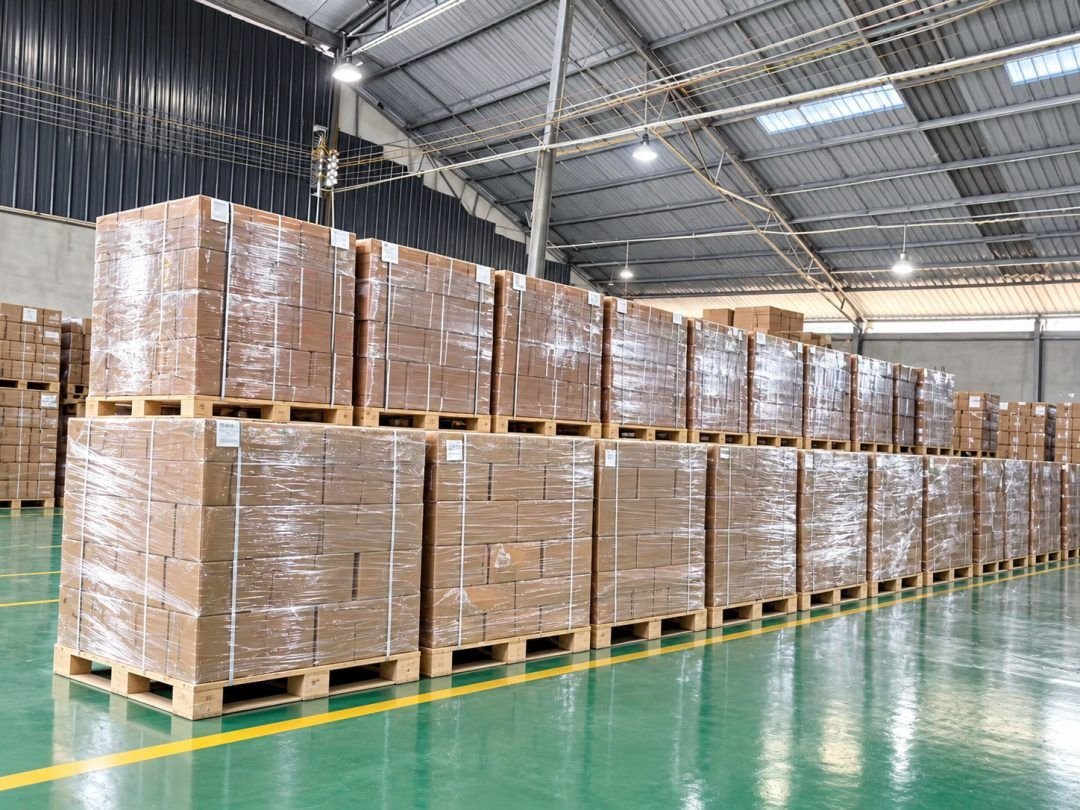
Ask for photos of the palletised cartons with the shipping marks visible, taken in the warehouse before the container is sealed. It costs the supplier twenty minutes and it removes most disputes about short shipment or wrong print.
What this looks like in practice
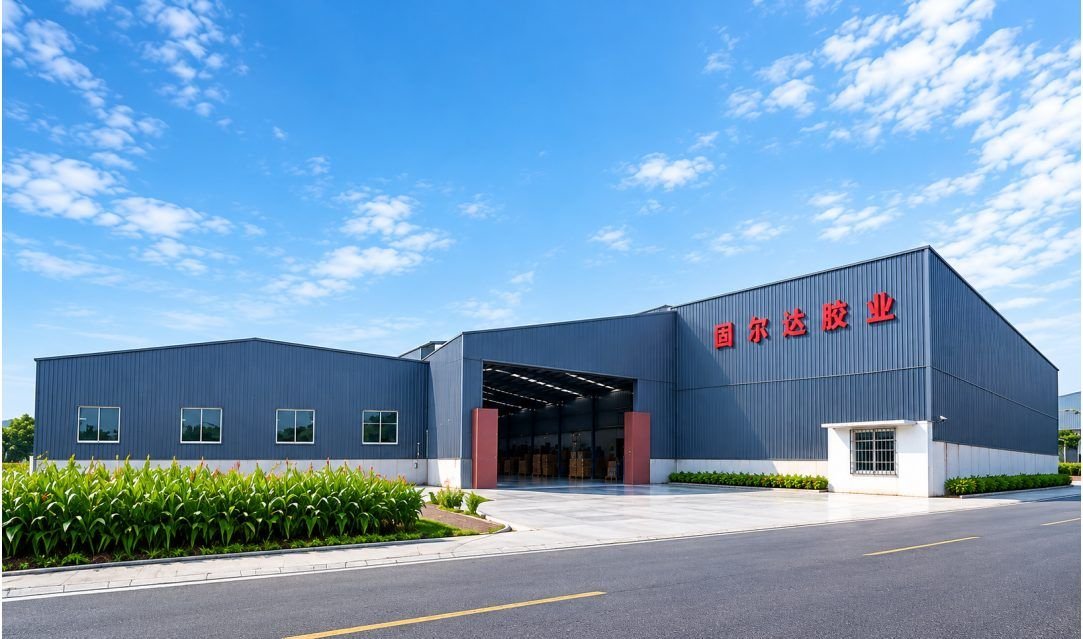
At our plant in Chengdu the sequence is: quotation against your specification, artwork proof, first-article approval, mass production, pre-shipment photos, then loading. The whole cycle is typically 15 to 25 working days for a standard board, longer if the artwork needs revision. If a supplier quotes you five days for a private label order with new print, ask what they are skipping.